

You made it through Black Friday. Survived Cyber Monday. Watched your warehouse run like a high-speed game of Tetris. And now, just when you thought it was safe to exhale, January hits. Along with the post-holiday returns tsunami comes the arrival of the Amazon returns dashboard 2026, built to help sellers brace for the inevitable wave of refunds and restocks.
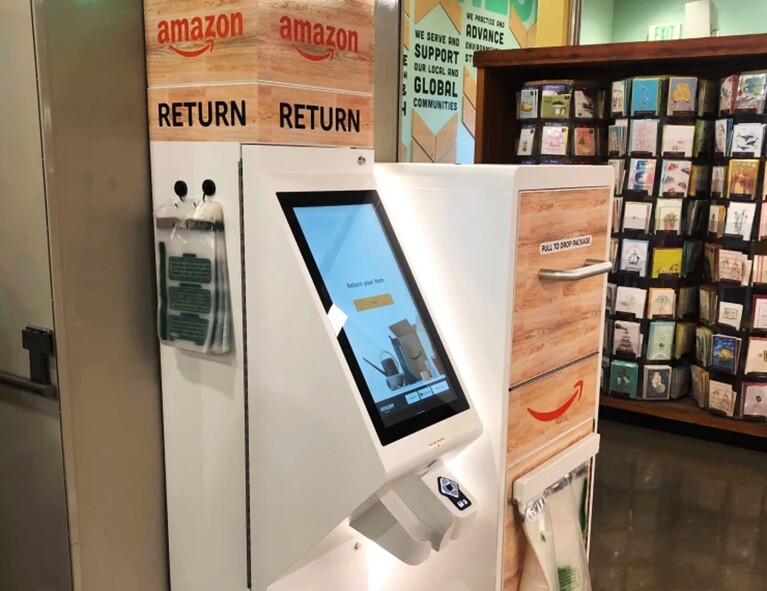
Every year, it is the same story. Customers unwrap. Customers rethink. Customers return. Sweaters did not fit. Gadgets felt unnecessary. Someone got two of the same thing. And now, your inbox is full of RMA requests and your shelves are slowly filling with gently used regret.
Amazon’s Got a New Dashboard. But Is That Enough?
In a move that says “we know what is coming,” Amazon just rolled out its Returns & Recovery Dashboard for sellers. It is built to help merchants better understand return reasons, spot trends, and track resale recovery at the ASIN level.
For sellers using FBA or FBM, it puts useful data in one place: why customers returned an item, how many were resold, and which listings are consistently bouncing back to your doorstep. It is helpful. It is smart. And it is still only part of the solution.
Because while the Amazon returns dashboard 2026 shows you the what and the why, it does not solve the how. It does not handle restocking, inventory syncing, or cross-channel chaos. For that, you still need a real plan.
Returns Happen. Your Operations Decide What Happens Next.
Returns are a reality in eCommerce. The difference is how you deal with them. The sellers who come out ahead in January are not the ones with zero returns. They are the ones who have systems in place to handle them without panic.
It starts with clear return policies and expectations. Instead of scrambling, these sellers restock inventory automatically across every sales channel. They also track which products are resellable and which ones need to be pulled or written off. That kind of visibility makes all the difference in January.And they use tools that make post-holiday operations feel manageable instead of maddening.
That is where Ordoro comes in. We help you take the guesswork out of the messy part, turning a returned product back into a sellable asset or tracking it through your warehouse without losing visibility.
Where Ordoro Picks Up Where Amazon Leaves Off
Amazon’s dashboard gives you the insights. But Ordoro gives you the control.
If you are using Amazon alongside other channels, or managing both FBA and FBM, Ordoro helps you:
- Sync inventory automatically across Amazon and all your other stores
- Manage both FBA and FBM orders in one place
- Restock returned items directly into available inventory
- Automate labels, routing, and workflows from returns to resells
We are the bridge between knowing what is coming back and actually being able to do something with it. Because in January, insights without action just lead to a warehouse full of cardboard and complaints.
The Smart Way to Handle January eCommerce Returns
January eCommerce returns in 2026 are shaping up to be as intense as ever. With Amazon and other platforms extending return windows and offering more return options, the flow of merchandise coming back is only growing.
Now is the time to prep your systems and workflows before the surge hits:
- Automate your restocking and sync inventory instantly
- Track return reasons and trends across platforms
- Build logic to handle resellable vs. non-resellable goods
- Reduce manual effort by centralizing your operations in one place
You cannot avoid returns, but you can absolutely avoid the chaos that usually comes with them.
FAQ: Amazon Returns Dashboard 2026 and Post-Holiday Strategy
Q: What is Amazon’s Returns & Recovery Dashboard?
A: It is a centralized tool that shows ASIN-level insights into return reasons, resale value, and return trends for both FBA and FBM sellers.
Q: When is the January returns spike expected?
A: Most post-holiday returns peak in the first two weeks of January. Amazon’s return window allows purchases made between November 1 and December 31 to be returned through January 31.
Q: What does the Amazon returns dashboard 2026 help with?
A: It helps sellers understand why items are being returned and how they are performing on the resale side, but it does not automate returns handling or inventory updates.
Q: How can eCommerce sellers prepare for January returns?
A: Automate restocking, sync inventory across all channels, identify return patterns, and use a platform like Ordoro to stay on top of your operations.
Q: Can I reduce return rates?
A: Some returns are unavoidable, but clear product descriptions, better packaging, and proactive support can help reduce them. Having a good system in place helps even more.
The Takeaway
Amazon’s new dashboard is a solid step forward, but insights without action do not solve January. The returns are coming, but that does not mean you have to drown in them.
Build a system that works for you. Prepare your workflows now. And turn post-holiday chaos into a controlled, manageable part of your business.
Start your free Ordoro trial today and take the panic out of post-holiday returns before they pile up.