

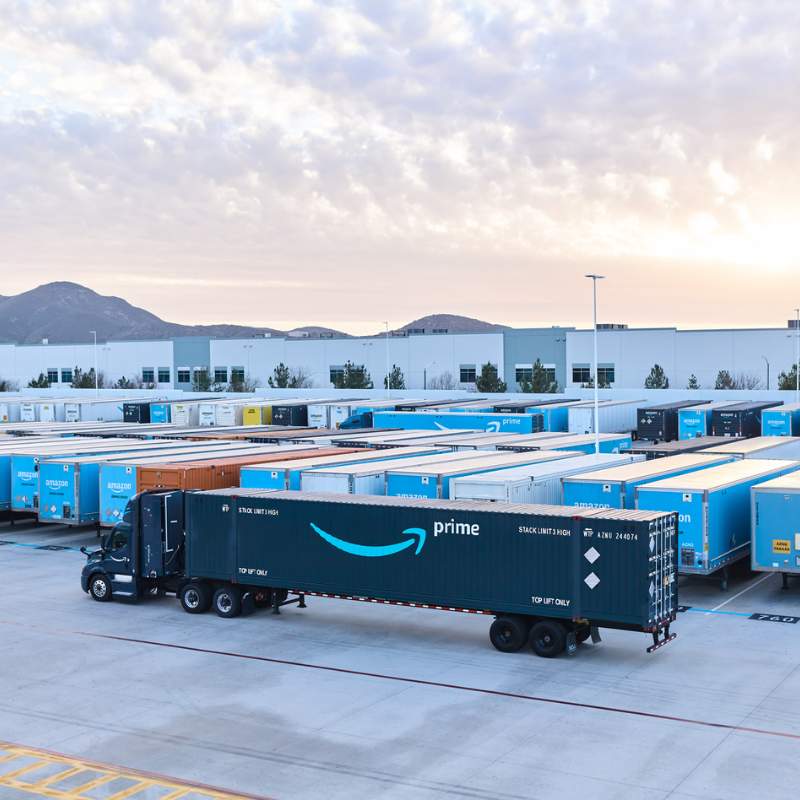
Amazon is not just improving its delivery network. It is starting to compete with the companies that built the shipping industry in the first place. Recent moves tied to Amazon logistics expansion show the company pushing its capabilities beyond its own marketplace, putting it in more direct competition with carriers like UPS and FedEx. That sounds like industry news, but if you are running an eCommerce business, it hits a lot closer to home. This changes who you rely on to get orders out the door.
Shipping Is Not Set-It-and-Forget-It Anymore
For a long time, shipping was something you set and mostly left alone. You picked a carrier, made sure orders went out on time, and moved on. That predictability is starting to fade.
Amazon has spent years building out one of the most advanced logistics networks in the world. Warehouses, planes, trucks, and last-mile delivery are already in place. What is changing now is not the infrastructure. It is who gets to use it.
Instead of keeping that network focused on its own orders, Amazon is opening the door wider. And when a company with that kind of scale steps into the broader shipping market, it does not just add another option. It changes the pace of everything around it.
More Carrier Options Sounds Great…Until You Have to Choose
On paper, more competition should be a win for merchants. More carriers can lead to better pricing, faster delivery options, and more flexibility in fulfillment, and some of that will absolutely happen. But every new option adds another decision. What used to be simple now turns into a running calculation. Which carrier makes sense for this order? Is it worth paying more for speed? Does pricing change by region or weight? Multiply that across dozens or hundreds of orders, and shipping stops being a background task. It becomes something you are actively managing every day.
And this is bigger than just Amazon entering the shipping space. It is a sign that shipping itself is becoming more dynamic, where merchants now have to constantly balance:
- cost versus delivery speed
- which carrier to use for each order
- changing service levels and pricing
All while customer expectations continue to rise and faster delivery becomes the baseline, not the bonus.
The Real Challenge Is Not Access. It Is Execution.
Having more shipping options is helpful. Managing them is where things get complicated.
This is usually where merchants start to feel friction:
- inventory is not perfectly synced across channels
- orders do not always route the way you expect
- shipping costs creep up because you are not using the best option every time
None of this breaks immediately. It just adds complexity that builds over time.
This is where having a centralized system starts to matter. When you can manage inventory, orders, and shipping in one place, it becomes much easier to take advantage of multiple carriers without creating more problems.
That is exactly where Ordoro fits in. Merchants use it to keep everything aligned across channels and carriers, so they can stay flexible without losing control.
Shipping Strategy Is Now a Competitive Advantage
Shipping is no longer just about getting a package out the door. It is becoming part of how ecommerce businesses compete, and the merchants who benefit from this shift are the ones who stay flexible.
That usually means:
- using multiple carriers instead of relying on one
- choosing fulfillment methods based on each order
- continuously optimizing for cost and delivery speed
At the same time, the landscape itself is still moving. Amazon’s push into logistics is part of a broader shift, and it is not slowing down anytime soon. Carriers are already adjusting, delivery expectations continue to rise, and new fulfillment options are entering the mix.
Merchants need to keep an eye on:
- how carriers respond with pricing and service changes
- how delivery expectations continue to increase
- how new fulfillment options fit into their workflow
This is not a one-time change. It is an ongoing evolution, and the advantage will go to the merchants who can adapt without constantly rebuilding how they operate.
FAQs About Amazon’s Logistics Expansion
Is Amazon becoming a shipping carrier?
Amazon is expanding its logistics capabilities beyond its own marketplace, which puts it in more direct competition with traditional carriers.
How does this affect eCommerce merchants?
Merchants may gain access to more shipping options and better pricing, but they will also need to manage increased complexity in fulfillment.
Should merchants switch to Amazon for shipping?
Most merchants benefit from a flexible strategy that uses multiple carriers based on cost, speed, and reliability.
Why is shipping becoming more complex?
More providers, higher customer expectations, and multiple fulfillment options are all contributing to a more complex shipping environment.
How can Ordoro help manage multiple carriers?
Ordoro helps merchants centralize inventory, orders, and shipping so they can work with multiple carriers without increasing manual effort or errors.
The Bigger Shift in eCommerce
Amazon becoming a bigger player in shipping is not surprising. What matters is what happens next, especially as Amazon logistics expansion continues to reshape how ecommerce businesses approach fulfillment.
More competition creates opportunity, but it also raises the stakes. The merchants who succeed will not be the ones chasing every new option. They will be the ones building systems that let them adapt without constantly reworking their operations.
If your current setup makes it hard to manage multiple carriers or keep inventory and orders aligned, now is a good time to take a closer look at Ordoro.
Because shipping is not getting simpler from here.
- Commerce Corner: Big Spending, Small Business Wins & Fresh Features
- Small Businesses Are Making a Very Big Economic Impact
- Shoppers Just Spent Nearly $10 Billion. And It’s Not Even Black Friday Yet.
- Etsy Wants Shipping to Feel Cheaper. What Does That Mean for Sellers?
- Your eBay Shipping Costs Might Look Different This Holiday Season

