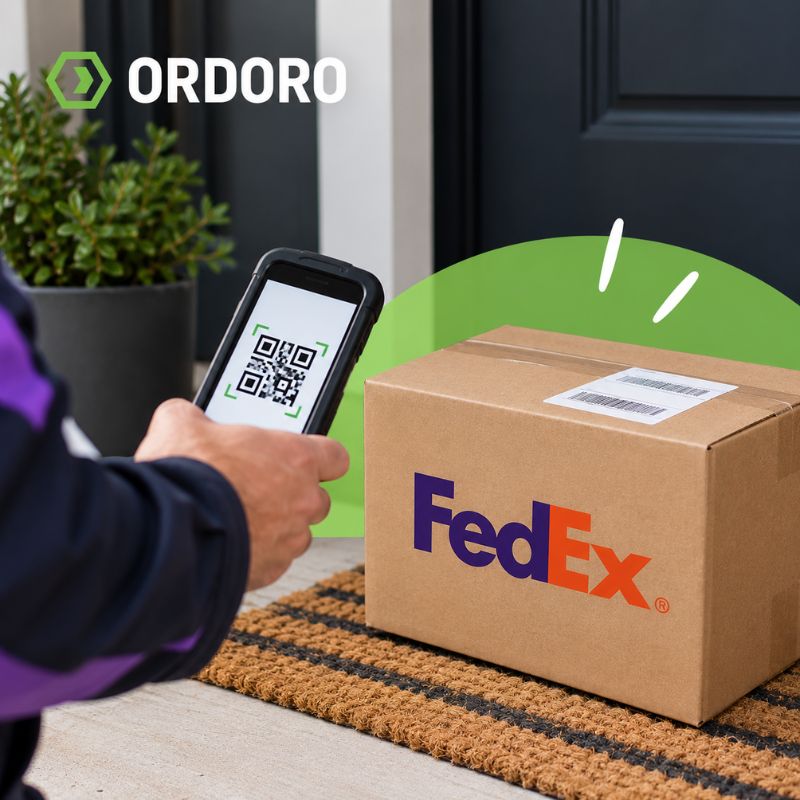
Getting a package to the right address is one thing. Making sure it reaches the right person is another. FedEx has launched FedEx Authenticated Delivery. A new premium delivery option that uses a unique QR code to verify the person receiving an eligible package. The service is available for eligible residential and commercial shipments in the U.S. and Canada, with FedEx positioning it as an added layer of protection against fraud, theft, and misdelivery.
For online sellers shipping expensive or sensitive products, that extra step could make certain deliveries considerably more secure.
How FedEx Authenticated Delivery Works
The process starts when the shipper selects FedEx Authenticated Delivery for an eligible shipment. FedEx then sends the recipient a unique QR code and delivery instructions through its notification system.
When the driver arrives, someone with that QR code must be present at the delivery address. The driver scans and validates the code before releasing the package. Unlike some other FedEx delivery options, a physical signature is not required because the QR code handles the authentication.
The recipient can also share the QR code with another trusted person who will be available to accept the delivery. That could be a household member, office employee, leasing office representative, or someone working in a building mailroom.
So, yes, the package basically gets its own little bouncer at the door.
FedEx Is Aiming This at Higher-Value Shipments
FedEx says Authenticated Delivery is particularly suited to shipments where added security matters, including luxury goods, electronics, healthcare products, aerospace items, collectibles, and other high-value merchandise.
That makes the service particularly interesting for eCommerce businesses selling products that merchants would rather not leave sitting unattended on a porch. A $20 order disappearing is frustrating. A $2,000 order disappearing can become an entirely different kind of afternoon.
Authenticated Delivery does not eliminate every possible delivery problem, but it adds another checkpoint before FedEx hands over the shipment. For sellers evaluating their shipping and order management workflow, it is another carrier option worth knowing about when the contents of a package justify additional protection.
There Are Some Tradeoffs for the Extra Security
More security also means less flexibility. FedEx Authenticated Delivery shipments cannot use Hold at Location or Redirect to Hold, and the delivery address cannot be corrected once the shipment is moving through the network. Vacation holds may still be available through FedEx Delivery Manager.
Someone also has to be there with the QR code. Leaving a printed copy taped to the door will not work because a person must present the code to the driver for scanning and validation. If nobody can complete the authenticated delivery, FedEx may make up to three delivery attempts. After three unsuccessful attempts, the shipment is returned to the shipper.
Those restrictions make sense from a security perspective, but sellers should understand them before choosing the service. Customers will also need to know that this is not the kind of package they can casually reroute at the last minute.
What Online Sellers Should Consider
For sellers, FedEx Authenticated Delivery is not simply another checkbox on a shipping label. Using it changes the delivery experience for the customer, so it makes sense to be selective about which orders need that extra protection.
A merchant shipping expensive electronics, jewelry, collectibles, or other high-value products may decide the additional verification is worth it. For lower-value everyday orders, the added cost and requirement for someone to be present could create more friction than benefit.
Customer communication matters too. If a seller chooses Authenticated Delivery, the recipient needs to know to watch for the FedEx notification and keep the QR code handy. That becomes especially important during the holidays, when customers may be traveling, sending gifts to someone else, or shipping purchases to an office or alternate address.
Sellers should also think about what happens when delivery does not go as planned. Because these shipments have tighter restrictions around redirects and address changes, an incorrect address or unavailable recipient could be more troublesome than with a standard delivery. That makes accurate order information and clear communication particularly important before the package leaves the warehouse.
This Could Matter More During the Holiday Rush
The timing is interesting. FedEx announced Authenticated Delivery on September 16, just as online sellers are preparing for the busiest shopping stretch of the year.
Holiday order volume can mean more expensive products moving through carrier networks and more packages arriving at homes, offices, apartment buildings, and mailrooms. For merchants selling electronics, collectibles, luxury goods, or other higher-value products, delivery security can become a bigger part of the fulfillment conversation.
Sellers will still have to decide whether the additional security is worth the added cost and stricter delivery requirements for a particular order. Not every package needs the velvet-rope treatment, but the option could make sense when the value or sensitivity of the shipment warrants it.
Another Shipping Option Means Another Decision
FedEx Authenticated Delivery joins a growing list of carrier services merchants can choose from when deciding how an order should get to a customer. The right choice can depend on package value, destination, delivery speed, cost, and how much verification a seller wants at the final handoff.
That is also why having carrier choices available within the fulfillment workflow can be useful. Ordoro helps merchants manage FedEx and other shipping options in one workflow, so sellers can choose the service that makes sense for a particular order without treating every package exactly the same way.
The cheapest option may make perfect sense for one order, while another might justify faster service or additional protection. Busy season tends to provide plenty of examples of both.
FAQs About FedEx Authenticated Delivery
What is FedEx Authenticated Delivery?
FedEx Authenticated Delivery is a paid premium delivery option that uses a unique QR code to verify an authorized recipient before an eligible package is released. FedEx designed the service to provide additional protection against fraud, theft, and misdelivery.
How does FedEx Authenticated Delivery work?
The recipient receives a unique QR code through FedEx notifications. Someone with that code must be present at the delivery address and show it to the FedEx driver, who scans and validates it before releasing the package.
Does FedEx Authenticated Delivery require a signature?
No. A physical signature is not required for FedEx Authenticated Delivery. The unique QR code serves as the required validation for the delivery.
Can someone else receive the package?
Yes. FedEx allows the recipient to share the QR code with another trusted person who can be present to receive the shipment. The person accepting the package must have the QR code available for the driver to scan.
Can FedEx Authenticated Delivery packages be redirected?
No. FedEx Authenticated Delivery shipments are not eligible for Redirect to Hold, Hold at Location, or address corrections. FedEx does allow eligible vacation hold requests.
What happens if nobody is there with the QR code?
FedEx may attempt delivery up to three times. If the package cannot be successfully delivered after those attempts, FedEx says it will return the shipment to the shipper.
Sometimes a Package Deserves a Little Extra Security
Most eCommerce orders do not need someone standing at the door with a secret code. For expensive or sensitive products, though, knowing that FedEx verified someone before handing over the package could provide an extra layer of confidence for both merchants and customers.
FedEx Authenticated Delivery gives sellers another option to consider as they decide how different orders should move through fulfillment. With holiday volume getting closer, having more than one way to handle different shipping situations can be particularly useful.
Ordoro helps online sellers bring orders and shipping together across their sales channels, with support for FedEx and other major carriers in one workflow.
Explore Ordoro’s shipping and order management tools