

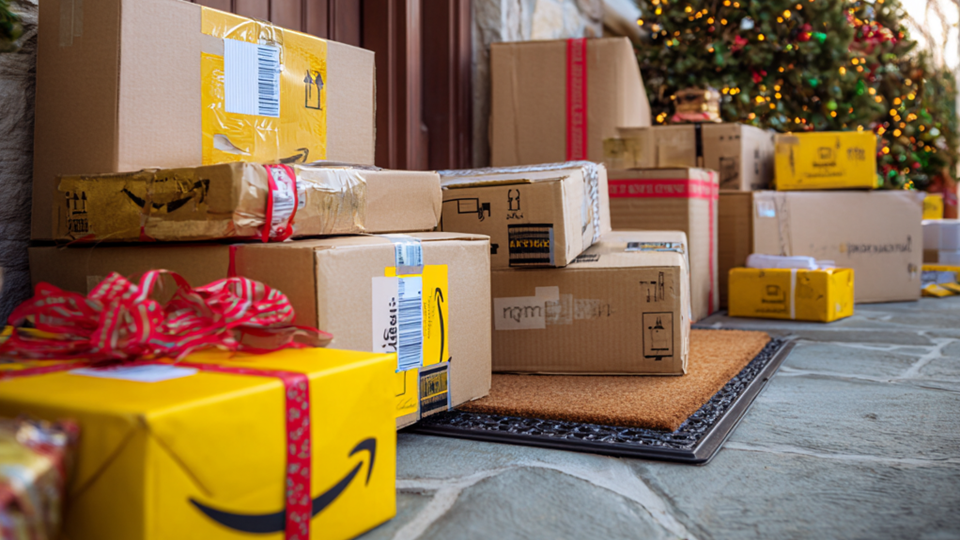
Industry watchers are predicting a sharp spike in returns once the wrapping paper settles. Some projections suggest return volume could jump by as much as 45% after the holidays. That’s in line with broader ecommerce return trends, which already show significantly higher return rates than brick-and-mortar stores.
For merchants who aren’t actively planning for this, it could mean:
- A wave of returned inventory showing up in January
- Delayed cash flow from refunded orders
- Unexpected shipping and labor costs
- Major reverse logistics headaches
Not Every Product Is Affected the Same Way
Some product categories are more return-prone than others. Apparel sellers, for example, face the highest rates by far. In some regions, fashion returns reach 50% due to bracketing, wrong sizes, and changing preferences.
Other categories like electronics, toys, and home goods generally see lower rates. But even small increases in return volume can cause big problems if you are not operationally prepared.
Returns Aren’t Just a Shipping Issue
Returns are a full business problem. They affect:
- Margins
- Labor and warehouse efficiency
- Customer experience
- Forecasting and inventory planning
And the costs can add up fast. From receiving and restocking to customer service and lost product value, each return eats away at your bottom line.
What’s Driving the Return Surge?
Several forces are driving current eCommerce return trends:
1. Higher shopper expectations
Customers expect fast, easy, and preferably free returns. Many base their buying decision on return policies alone.
2. Extended holiday windows
More marketplaces and brands are giving customers until late January to return holiday purchases. That means more returns will hit right after peak season.
3. Lack of return visibility
Too many merchants still don’t know the true cost of returns or have a way to track them clearly. That makes planning almost impossible.
Smart Moves Merchants Can Make Right Now
- Track return-related costs
If you do not know what a return really costs, you cannot fix it. - Prepare inventory systems for the January surge
Expect returns to hit hard right after the holidays. Be ready to receive and restock. - Automate where it makes sense
Auto-approvals and rules for common returns can reduce workload and speed up processing. - Adjust strategies by category
Returns behave differently across product types. Plan accordingly.
FAQ: What Merchants Are Asking About eCommerce Returns
Do returns really spike after the holidays?
Yes. Return rates typically peak in early January due to gifts, exchanges, and post-holiday purchases.
Are all product categories affected equally?
No. Fashion and apparel see the highest return rates, while other categories like electronics and home goods are generally lower but still impactful.
Will managing returns cost me money?
Yes. Between shipping, labor, and restocking, returns can cost tens of dollars per item and significantly impact profit margins.
Can returns actually be a good thing for business?
They can be, if managed well. A smooth return experience builds loyalty and improves customer trust. But without a clear process in place, returns are more likely to hurt than help.
What This Means Heading Into 2026
Returns are no longer a seasonal headache. They are now a critical part of the eCommerce cycle. Sellers who treat them as an afterthought will lose margin, slow down operations, and miss opportunities to improve customer experience.
The ones who win will be those who can turn reverse logistics into a strength, not a liability.
Turn Returns Into a Strategic Advantage
Returns do not have to drag your business down. With the right systems in place, you can manage return volume, stay ahead of ecommerce return trends, protect your margins, and be ready for whatever post-holiday chaos comes your way.
Ordoro helps eCommerce brands stay on top of their operations. From shipping to inventory to fulfillment, we give you the tools to run smarter.
👉 Talk to our team to see how Ordoro can help you prep, scale, and stay sane this post-holiday season.
- Commerce Corner: Big Spending, Small Business Wins & Fresh Features
- Small Businesses Are Making a Very Big Economic Impact
- Shoppers Just Spent Nearly $10 Billion. And It’s Not Even Black Friday Yet.
- Etsy Wants Shipping to Feel Cheaper. What Does That Mean for Sellers?
- Your eBay Shipping Costs Might Look Different This Holiday Season