Amazon has dominated eCommerce marketplaces for years. For many merchants, selling online and selling on Amazon have felt almost synonymous. But Walmart Marketplace keeps making moves that suggest it’s no longer content with being a distant second.
The latest example is Walmart’s expanded Deals event, which runs June 22 through June 28 and overlaps directly with Prime Day. On the surface, it’s another summer sales promotion. Retailers launch those all the time. What’s more interesting is what the event says about Walmart’s broader eCommerce ambitions.
Walmart isn’t trying to replace Amazon. It’s trying to become a stronger alternative for both shoppers and sellers. And for eCommerce merchants looking to diversify their sales channels, that trend is becoming harder to ignore.
Why Sellers Are Paying Attention to Walmart
If you’re already selling on Amazon, Walmart’s latest Deals event probably isn’t changing your strategy overnight. But if you’ve been thinking about expanding beyond a single marketplace, it may be worth taking a closer look.
Over the past few years, Walmart has steadily built many of the tools sellers care about most. The company has expanded Walmart Marketplace, invested in Walmart Fulfillment Services (WFS), improved delivery capabilities, and continued growing its Walmart+ membership program.
None of these initiatives alone make Walmart a true Amazon rival. Together, however, they show a retailer making a serious commitment to eCommerce growth.
For sellers, that matters because marketplace diversification has become an increasingly important part of long-term growth.
Why More Merchants Are Exploring Multichannel Selling
Many eCommerce businesses have learned an important lesson over the last decade: relying too heavily on a single sales channel can create risk.
When most of your revenue comes from one marketplace, changes to fees, advertising costs, search visibility, or marketplace policies can have an outsized impact on your business.
That doesn’t mean sellers are abandoning Amazon. Far from it. Instead, many brands are looking for ways to complement their Amazon sales with additional channels that help them reach new customers and create more stable revenue streams. Walmart Marketplace has increasingly become part of that conversation.
For merchants, the appeal is straightforward:
- Reach new customers
- Diversify revenue streams
- Reduce dependence on a single marketplace
- Take advantage of additional promotional opportunities throughout the year
As Walmart continues investing in eCommerce, those opportunities may become even more attractive.
The Opportunity Is Growth. The Challenge Is Complexity.
Most merchants would love to reach more customers without increasing their dependence on a single marketplace. That’s exactly what makes multichannel selling appealing. The challenge is that every new channel adds complexity.
A product that sells on Amazon also needs to stay synchronized with Walmart. Inventory levels need to update in real time. Orders from multiple marketplaces need to flow through the same fulfillment operation. During major shopping events, even a small inventory miscalculation can result in overselling, stockouts, or delayed shipments.
As merchants expand into new sales channels, the challenge often shifts from generating demand to managing operations efficiently.
Some of the most common multichannel selling challenges include:
- Keeping inventory synchronized across marketplaces
- Preventing overselling
- Managing orders from multiple sales channels
- Forecasting inventory needs during promotions
- Maintaining accurate stock levels in real time
For growing businesses, these operational hurdles can quickly become more difficult than customer acquisition itself.
Thinking About Selling on Multiple Marketplaces? Start Here.
Expanding beyond a single sales channel can create new opportunities for growth, but it also requires a solid operational foundation. Before adding another marketplace, it’s worth asking yourself a few questions:
- Can you view inventory levels across all sales channels in real time?
- Do you have a process in place to prevent overselling?
- Can your fulfillment workflow handle increased order volume?
- Are your product listings and pricing consistent across channels?
- Do you know which channels are driving the most profitable sales?
- Can you accurately forecast inventory needs during major shopping events?
If you answered “no” to several of these questions, it may be worth strengthening your operations before expanding to additional marketplaces.
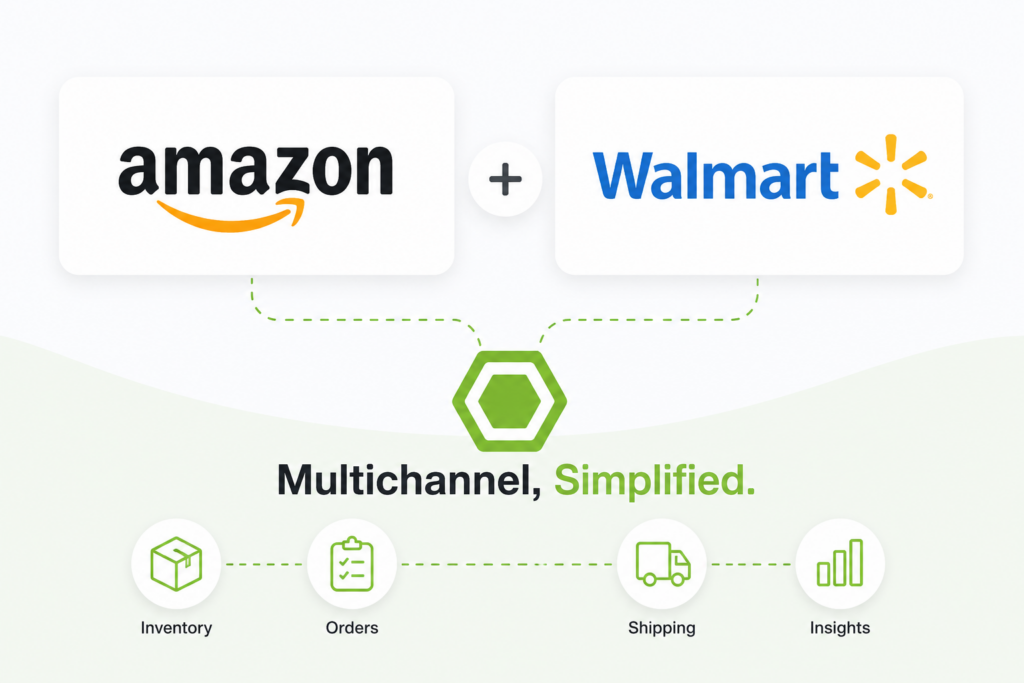
This is where having the right systems in place can make a big difference. Ordoro helps merchants manage inventory, orders, and shipping across multiple sales channels from a single platform, making it easier to stay synchronized as your business grows. Whether you’re selling on Amazon, Walmart Marketplace, Shopify, or all three, having real-time visibility can help you scale with confidence.
Key Questions Sellers Should Be Asking
Walmart’s latest Deals event may not transform eCommerce overnight, but it does reinforce a trend that’s becoming increasingly important.
As marketplace competition continues to evolve, sellers should be asking themselves:
- Is Walmart Marketplace a channel worth exploring?
- How dependent is my business on a single marketplace?
- Can my inventory management processes support multichannel growth?
- Am I prepared for overlapping sales events across multiple channels?
- Do I have visibility into inventory across all of my sales channels?
The answers will vary from business to business, but one thing is becoming clear: eCommerce sellers have more marketplace options today than they did just a few years ago.
FAQs
Is Walmart Marketplace growing?
Yes. Walmart continues to invest in marketplace expansion, fulfillment services, delivery capabilities, and customer acquisition efforts designed to increase eCommerce sales and attract more third-party sellers.
Is Walmart Marketplace worth it for sellers?
It depends on your products, margins, and target audience. Many eCommerce merchants use Walmart Marketplace as part of a multichannel strategy to diversify revenue and reach new customers.
Can sellers use both Amazon and Walmart Marketplace?
Yes. Many brands sell on both platforms to expand their reach and reduce dependence on a single marketplace.
What is the biggest challenge of selling on multiple marketplaces?
Inventory management is often the biggest challenge. Sellers need to keep stock levels synchronized across channels to avoid overselling, stockouts, and fulfillment issues.
How should sellers prepare for Prime Day and competing sales events?
Merchants should review inventory levels, forecast demand, evaluate fulfillment capacity, and ensure inventory data is accurate across all sales channels before promotional events begin.
How do I know if I’m ready for multichannel selling?
Before expanding to another marketplace, sellers should evaluate their operational readiness. Key areas include inventory visibility, order management, fulfillment capacity, and demand forecasting.
If you can accurately track inventory across channels, prevent overselling, and fulfill orders efficiently during peak sales periods, you’re likely in a strong position to support multichannel growth.
The Bottom Line
Walmart’s expanded Deals event is about more than discounts. It reflects the company’s ongoing investment in eCommerce growth and its effort to become a more significant player in the marketplace landscape. For merchants, the story isn’t whether Walmart will overtake Amazon. The story is whether Walmart Marketplace is becoming a channel that’s worth including in a long-term growth strategy.
As more sellers embrace multichannel selling, success will depend on more than finding new places to sell. It will depend on having the inventory visibility, order management processes, and fulfillment workflows needed to support growth across every channel.
Looking to simplify multichannel eCommerce? Ordoro helps merchants manage inventory, orders, and shipping across Amazon, Walmart Marketplace, Shopify, and other leading sales channels, all from one centralized platform. Learn how Ordoro can help you stay organized as your business grows.
- Shipping Rate Shopping for eCommerce: How to Compare Carrier Costs and Delivery Times
- Commerce Corner: Holiday Mode: Activated
- Etsy Is Telling Sellers It’s Time to Get Holiday-Ready
- Walmart Is Giving Sellers More Clues About Why Products Come Back
- FedEx Wants a QR Code Before Handing Over Some Packages