

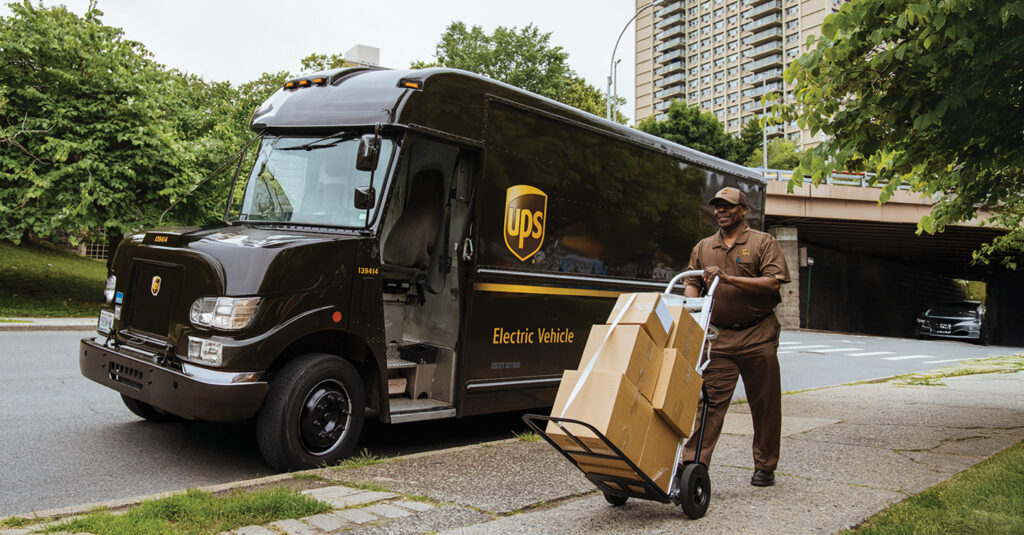
UPS is rethinking eCommerce volume. Its UPS eCommerce volume strategy is shifting away from Amazon volume. More orders sounds like a good problem to have. Unless you’re the one delivering them.
For years, the goal in eCommerce was simple. More packages meant more growth. More growth meant better business. But this idea is starting to change.
This is a shift in how carriers think
UPS is moving away from high-volume, low-margin shipments and focusing more on customers that are more profitable to serve. That includes SMBs, B2B shipments, and merchants with more predictable operations. The goal isn’t to move more packages. It’s to make more money per package.
In fact, UPS leadership has been explicit about the shift, pointing to a “more agile, more profitable network” built around higher-quality volume as they reduce deliveries for major customers like Amazon.
That’s a different way of looking at the same business.
Not all volume is equal
Amazon volume is massive, but it comes with tradeoffs. Tight delivery expectations, lower margins, and less flexibility. That kind of volume keeps networks busy, but it doesn’t always make them more profitable. It also tends to be more demanding operationally. Faster delivery requirements, higher service expectations, and less room to adjust how orders move through the network.
That combination matters because when carriers start optimizing for margin instead of scale, some volume becomes less attractive to handle, even if there’s a lot of it.
This changes how carriers look at your orders
This isn’t just about UPS and Amazon. It’s a signal that carriers are starting to look more closely at the type of volume they take on, not just how much of it there is. That changes the relationship between merchants and carriers. Profitability matters more than raw volume. Predictability becomes more valuable. Operational efficiency becomes a differentiator.
It’s less about how many orders you have and more about how those orders behave.
FAQ: UPS and eCommerce volume strategy
Why is UPS reducing Amazon volume?
Because those shipments tend to be high-volume but lower-margin and more operationally demanding.
What is UPS focusing on instead?
More profitable segments like SMBs, B2B shipments, and customers with more predictable fulfillment needs.
What does this mean for eCommerce merchants?
Carriers may become more selective, and efficiency and profitability will matter more than just volume.
Is this a long-term shift?
It signals a broader move toward prioritizing margin and operational efficiency over scale.
What to take away from this
For merchants, this is a subtle but important shift. Growth on its own isn’t always the goal. What matters is how that growth behaves. Orders that are difficult to fulfill, unpredictable, or low margin can create more pressure than they’re worth.
The brands that stay ahead of this are the ones that understand their operations, not just their order count. If you want a clearer view into how your orders, inventory, and shipping are performing, take a look at how Ordoro works.
- Shipping Rate Shopping for eCommerce: How to Compare Carrier Costs and Delivery Times
- Commerce Corner: Holiday Mode: Activated
- Etsy Is Telling Sellers It’s Time to Get Holiday-Ready
- Walmart Is Giving Sellers More Clues About Why Products Come Back
- FedEx Wants a QR Code Before Handing Over Some Packages