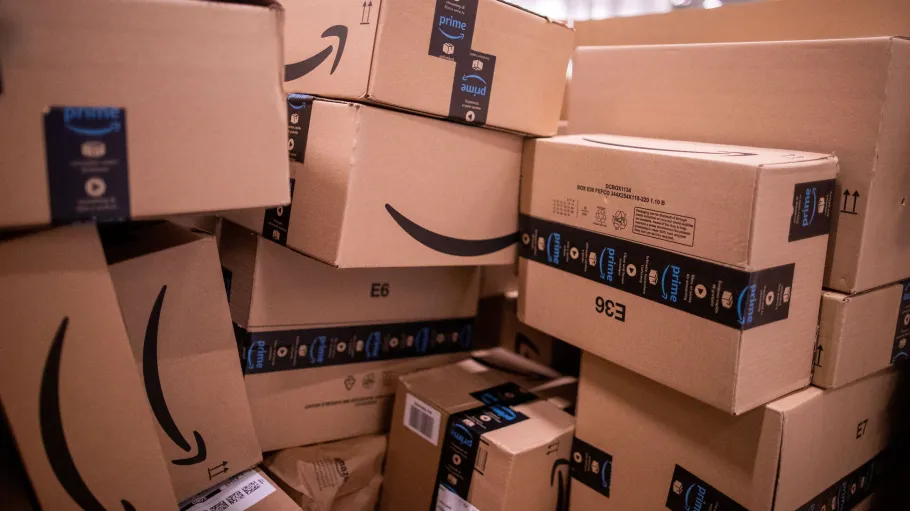
Just a couple weeks ago, we explored how tariff refunds could potentially create opportunities for SMB sellers. As legal challenges to certain tariffs gained momentum, many businesses began asking whether they might be able to recover some of the costs they had absorbed over the past several years. The growing discussion around Amazon tariff refunds and similar claims has now taken an unexpected turn.
A newly filed lawsuit against Amazon is asking a different question entirely: if businesses potentially benefit from tariff refunds, should consumers benefit too?
The case has quickly become one of the more fascinating eCommerce stories of the year because it sits at the intersection of tariffs, pricing, consumer rights, and customer expectations. While the lawsuit specifically targets Amazon, the issues at the center of the case could have implications that stretch far beyond a single retailer.
What Is the Lawsuit About?
According to the complaint, Amazon allegedly increased prices on certain products to account for tariff-related costs. The plaintiffs argue that after some of those tariffs were later ruled invalid, Amazon failed to pursue refunds from the government and return those savings to consumers.
The lawsuit claims customers ultimately paid higher prices because of tariffs that should not have remained in effect. Amazon has not publicly responded to the allegations, and the case is still in its early stages.
What makes the story particularly interesting is that it is not a traditional refund lawsuit. Consumers are not claiming they returned products and failed to receive their money back. Instead, they are arguing that they paid inflated prices because of tariff costs and should potentially benefit if those costs are later recovered.
Some of the key details being discussed include:
- Tariff-related price increases that were allegedly passed on to consumers
- Subsequent court decisions that challenged the legality of certain tariffs
- Questions about whether businesses should pursue tariff refunds
- Whether any recovered funds should be shared with customers
- Similar lawsuits reportedly being filed against other large companies
That last point is important because this is not just an Amazon story. Several major businesses are reportedly facing similar legal scrutiny as courts continue sorting through the broader tariff landscape.
Why This Case Is So Complicated
At first glance, the argument sounds straightforward. If tariffs increased costs and those tariffs were later invalidated, it seems reasonable to ask whether customers should receive some of that money back. The challenge is figuring out how to calculate it.
Amazon’s pricing system is constantly changing. Product prices rise and fall based on inventory levels, supplier costs, competition, promotions, demand fluctuations, shipping expenses, and countless other factors. Even if tariffs contributed to higher prices, determining exactly how much of a specific purchase was impacted by tariff costs could prove incredibly difficult.
For example, imagine a product that increased in price by $10 over the course of a year. How much of that increase came from tariffs? Or how much came from rising shipping costs. Was the purchase influenced by supplier pricing changes? Could it have simply been market demand? Those are the types of questions that could make this case far more complex than a typical consumer refund dispute.
What This Means for eCommerce Businesses
While most SMB sellers are not facing lawsuits over tariff refunds, the story highlights a broader trend that is becoming increasingly relevant across eCommerce. Consumers are paying closer attention to pricing than ever before.
Over the last several years, shoppers have grown accustomed to seeing explanations for rising prices. Businesses have pointed to inflation, supply chain disruptions, labor costs, shipping expenses, and tariffs as reasons for higher prices. Now some consumers are beginning to ask a different question.
If businesses raise prices when costs increase, should prices come back down when those costs decrease?
That expectation creates a new layer of complexity for online sellers, particularly as pricing becomes more dynamic and supply chains remain unpredictable.
The Bigger Lesson Behind the Headlines
Whether the lawsuit ultimately succeeds or fails, it reflects a shift in how consumers think about transparency and accountability. Customers increasingly want to understand why prices change. They want visibility into shipping costs, inventory availability, delivery timelines, and now, in some cases, the factors driving product pricing itself.
For eCommerce businesses, that does not necessarily mean explaining every pricing decision. It does mean recognizing that customer expectations around transparency continue to evolve.
The Amazon lawsuit may be one of the first major cases testing those expectations, but it is unlikely to be the last.
Frequently Asked Questions
Why is Amazon being sued over tariff refunds?
The lawsuit alleges that Amazon increased prices due to tariff-related costs and failed to pursue refunds and pass savings back to consumers after certain tariffs were later invalidated.
Did Amazon refuse customer refunds?
No. This is not a traditional return or product refund case. The lawsuit centers on tariff-related pricing and whether customers should benefit from potential tariff refunds.
Does this affect small eCommerce businesses?
Not directly. However, the case highlights growing consumer expectations around pricing transparency and accountability.
Could other companies face similar lawsuits?
Yes. Reports indicate that similar claims have been filed against other large companies tied to tariff-related pricing practices.
What can eCommerce sellers learn from this?
The case underscores the importance of clear communication, customer trust, and understanding how pricing decisions can influence customer perceptions.
The Tariff Conversation Is Far From Over
Just a few weeks ago, the conversation centered on whether businesses could recover tariff-related costs. Now the focus is shifting toward whether consumers should share in those benefits as well.
Regardless of the outcome, the lawsuit serves as a reminder that pricing transparency, customer expectations, and supply chain costs remain deeply connected. As eCommerce continues to evolve, businesses that can adapt to changing expectations while maintaining operational efficiency will be best positioned for long-term success.
If you’re looking for a better way to manage inventory, shipping, and fulfillment as the eCommerce landscape continues to evolve, explore Ordoro and see how growing brands are building more resilient operations.