Most eCommerce platforms are designed to make shopping as fast and painless as possible. Livestream commerce, however, is built on a very different idea. Customers search for a product, add it to their cart, and check out in a matter of seconds. Whatnot has taken a very different approach.
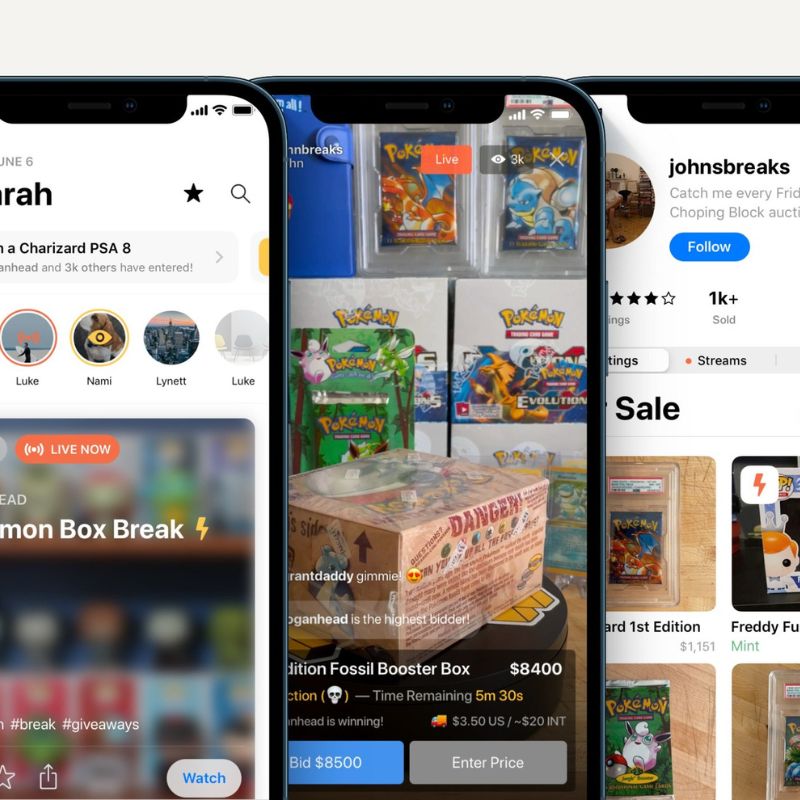
Whatnot allows sellers to host livestream shopping events where customers can watch products being demonstrated, participate in live auctions, interact with sellers through chat, and make purchases in real time. Imagine combining eBay auctions, Twitch livestreams, and QVC into a single app.
If that sounds unusual, the platform’s biggest controversy is even stranger. One of the fastest-growing marketplaces in eCommerce has faced criticism because customers are buying mystery boxes during livestreams, and critics argue some of those experiences feel uncomfortably close to gambling.
That debate has sparked lawsuits, consumer complaints, and ongoing questions about where shopping ends and games of chance begin.
Why Everyone Keeps Talking About Whatnot
Part of Whatnot’s popularity comes from the same thing that has made it controversial.
Supporters compare mystery-box streams to opening trading card packs or blind-box collectibles, both of which rely heavily on surprise and chance. Critics, however, argue some formats feel uncomfortably similar to gambling because customers are effectively paying for the possibility of receiving a more valuable item.
The debate has sparked lawsuits, consumer complaints, and ongoing discussions about where shopping ends and games of chance begin.
The platform has also faced questions surrounding product authentication, seller disputes, and community drama. One of the most publicized incidents involved former NFL linebacker Blake Martinez, who entered the world of Pokémon card selling before becoming embroiled in a controversy involving allegedly stolen collectibles.
At some point, an eCommerce platform became a place where former professional athletes sold Pokémon cards to viewers buying mystery boxes while arguing in a livestream chat. If that sentence sounds ridiculous, that is exactly why people keep talking about Whatnot.
The Platform Built on Controlled Chaos
Traditional eCommerce focuses on efficiency. The goal is usually to help customers find what they need and complete a purchase as quickly as possible.
Whatnot operates on a completely different philosophy. Customers join livestreams where products are auctioned in real time while sellers answer questions, celebrate winning bids, and interact directly with viewers. Instead of quietly comparing products on a website, shoppers are participating in an experience alongside hundreds or even thousands of other people.
That experience can lead to some unusual outcomes. Customers frequently join streams intending to browse for a few minutes and end up staying for hours. Others find themselves bidding on products they never planned to buy in the first place.
Part of the appeal comes from the same psychological triggers that have powered auctions and collectibles for decades:
- Limited inventory creates scarcity
- Live auctions create urgency
- Community interaction builds engagement
- Real-time feedback increases trust
- Unpredictable outcomes keep viewers watching
The result is a shopping experience that often feels more like entertainment than retail.
That may also explain why the platform’s biggest critics and biggest fans often point to the exact same features. The urgency, excitement, and unpredictability that attract loyal viewers are also the characteristics that fuel many of the platform’s ongoing controversies.
Why Customers Keep Coming Back
Despite the controversy, customers continue showing up. That may be the most surprising part of the story.
The very elements that make critics uncomfortable, including urgency, scarcity, competition, and unpredictability, are the same elements that appear to keep viewers engaged. That represents a major shift from traditional eCommerce, where businesses spent years trying to reduce friction and speed up checkout experiences.
Amazon spent years teaching shoppers that convenience was king. Whatnot is testing a very different theory. Some customers seem perfectly happy trading convenience for excitement, interaction, and a sense of community. Instead of getting shoppers to the checkout page as quickly as possible, livestream commerce gives them a reason to stick around.
Apparently, many people are willing to spend hours watching strangers auction Pokémon cards and occasionally buy something at midnight. Whether that sounds brilliant or bizarre probably depends on who you ask.
That tension may be the most interesting part of the entire story.
What eCommerce Businesses Should Pay Attention To
Not every online seller needs to start livestreaming tomorrow. Most merchants are probably not interested in auctioning mystery boxes while thousands of people argue in a chat window.
However, platforms like Whatnot highlight an important shift happening across eCommerce. Customers increasingly want shopping experiences that feel interactive, social, and entertaining rather than purely transactional.
For years, online retailers focused on removing friction from the buying process. Livestream commerce suggests some shoppers may actually enjoy a little friction when it comes in the form of excitement, community, and participation.
The businesses that succeed over the next several years may not just be the ones with the fastest checkout process. They may also be the ones that understand how to keep customers engaged long before they ever reach the checkout page.
Whether merchants love it or hate it, online shopping is becoming a little weirder.
Frequently Asked Questions
What is Whatnot?
Whatnot is a livestream shopping marketplace where sellers auction and sell products during live video streams while interacting with customers in real time.
Why is Whatnot controversial?
The platform has faced criticism over mystery-box sales, gambling comparisons, authentication concerns, and seller-related controversies.
Why are people comparing Whatnot to gambling?
Critics argue some mystery-box livestreams resemble gambling because customers pay for a chance to receive products of varying value.
Why is livestream shopping becoming popular?
Livestream shopping combines entertainment, community interaction, urgency, and real-time engagement into the buying experience.
Is Whatnot only for collectibles?
No. While collectibles helped fuel its growth, the platform now includes fashion, beauty, electronics, luxury goods, home products, and more.
What can eCommerce businesses learn from livestream commerce?
The growth of livestream shopping highlights increasing consumer interest in interactive, entertainment-focused, and community-driven shopping experiences.
Shopping Is Entering Its Chaotic Era
For years, eCommerce focused on making online shopping faster, cleaner, and more efficient. Platforms like Whatnot suggest some customers may actually want something different.
The bigger question is whether customers are shopping because they want products or because they want entertainment. Livestream commerce suggests those two experiences are becoming harder to separate. When shopping starts to feel like a live event, a game show, or a community gathering, the traditional rules of eCommerce start to look a little different.
Whether that trend is exciting or concerning probably depends on who you ask. Either way, it is becoming increasingly clear that online shopping is getting a little weirder.
If you’re looking for a better way to manage inventory, shipping, and fulfillment as eCommerce continues to evolve, explore Ordoro and see how growing brands stay organized no matter where customers decide to shop next.