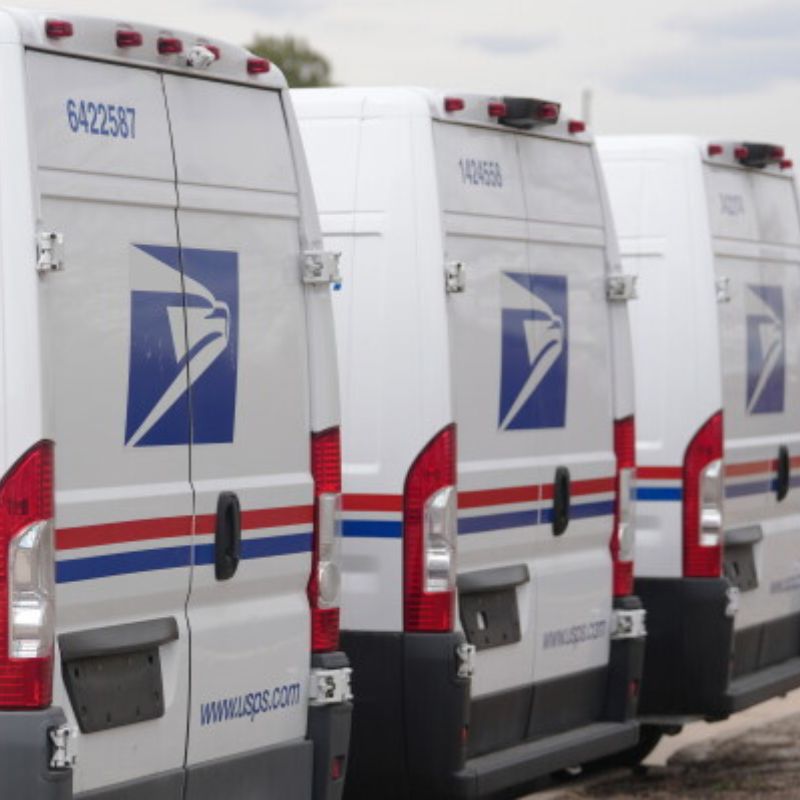
If you’ve spent any time in eCommerce over the past decade, you’ve probably heard some version of the same prediction: “USPS is finished.” The new USPS-DHL partnership suggests otherwise.
The Postal Service is supposedly always one budget crisis, policy change, or competitive threat away from irrelevance. And yet, every time someone starts writing its obituary, USPS reminds the industry just how important it remains.
The latest example? USPS and DHL eCommerce recently announced a long-term agreement reportedly worth more than $10 billion, reinforcing USPS’s role as a key last-mile delivery partner across the United States.
While the headline is certainly attention-grabbing, the bigger story for eCommerce merchants isn’t the dollar amount. It’s what the partnership reveals about the future of shipping.
A $10 Billion Expansion of an Existing Partnership
USPS and DHL eCommerce aren’t strangers. The two organizations have worked together for decades, with DHL leveraging USPS’s extensive delivery network for last-mile delivery throughout the United States. The new agreement expands and formalizes that relationship for years to come.
Under the partnership, DHL eCommerce will continue relying on USPS to help deliver packages to homes and businesses nationwide, particularly in areas where USPS already has a strong delivery advantage.
For merchants, the announcement signals confidence in USPS’s network at a time when many assume private carriers are taking over the shipping world.
Why Does DHL Use USPS for Last-Mile Delivery?
To understand why this deal matters, it helps to understand last-mile delivery. Last-mile delivery refers to the final step in a package’s journey. The trip from a distribution facility to the customer’s doorstep. It’s also one of the most expensive and complex parts of shipping.
USPS already visits virtually every address in the country six days a week. Rather than building duplicate infrastructure, companies like DHL can leverage that existing network to improve efficiency and expand reach.
In other words, even some of the world’s largest logistics companies recognize the value of USPS’s delivery footprint.
What Does the USPS-DHL Agreement Mean for eCommerce Merchants?
The partnership itself may not change how most merchants ship tomorrow. However, it highlights several important trends shaping eCommerce logistics.
1. USPS Remains a Major eCommerce Carrier
Despite years of speculation about its future, USPS continues to play a critical role in eCommerce fulfillment.
For many online sellers, USPS remains one of the most cost-effective options for:
- Lightweight packages
- Residential deliveries
- Rural shipments
- Economy shipping services
The DHL agreement serves as another reminder that reports of USPS’s demise may have been greatly exaggerated.
2. Carrier Partnerships Are Becoming More Common
The traditional view of shipping is simple:
- UPS delivers UPS packages.
- FedEx delivers FedEx packages.
- DHL delivers DHL packages.
Reality is a little messier.
Today’s shipping ecosystem increasingly relies on partnerships, handoffs, and shared networks. Packages often move through multiple logistics providers before reaching their final destination.
The USPS-DHL agreement reflects a broader trend toward collaboration rather than pure competition.
3. Carrier Flexibility Matters More Than Ever
As shipping networks become more interconnected, merchants benefit from having options. Rate increases, peak-season capacity constraints, weather disruptions, and changing customer expectations can all impact shipping performance.
Businesses that maintain access to multiple carriers are often better positioned to adapt when conditions change.
A flexible shipping strategy isn’t just about saving money. It’s about reducing risk.
What Merchants Should Take Away from the USPS-DHL Deal
The USPS-DHL announcement isn’t a signal that merchants should suddenly move all of their shipping volume to one carrier Instead, it’s a reminder to evaluate your current shipping strategy and ask a few important questions:
- Are you overly dependent on a single carrier?
- Are you regularly comparing shipping rates?
- Do you have backup options during peak seasons?
- Are you choosing carriers based on package type, destination, and service requirements?
The answers may reveal opportunities to improve both efficiency and resilience.
Key Takeaway for Online Sellers
The biggest lesson from the USPS-DHL agreement isn’t that USPS is suddenly experiencing a renaissance. It’s that the shipping industry continues moving toward interconnected delivery networks.
Carriers are partnering more often. Logistics ecosystems are becoming more collaborative. And merchants who maintain flexibility across multiple carriers will likely be in the strongest position moving forward.
USPS may be the logistics industry’s most frequently declared “dead” organization. But a $10 billion agreement suggests it’s still very much part of the conversation.
Frequently Asked Questions
What is the USPS-DHL partnership?
USPS and DHL eCommerce maintain a long-standing relationship in which USPS helps provide last-mile delivery services for DHL shipments throughout the United States. Their new agreement expands that partnership for the long term.
Does DHL use USPS for delivery?
Yes. DHL eCommerce frequently uses USPS for last-mile delivery, allowing DHL to leverage USPS’s nationwide delivery network.
What is last-mile delivery?
Last-mile delivery refers to the final stage of the shipping process, when a package is delivered from a local facility to the customer’s address.
Will the USPS-DHL agreement affect shipping rates?
The agreement does not currently include any announced rate changes for eCommerce merchants. However, it reinforces USPS’s ongoing role in the parcel delivery ecosystem.
Should eCommerce businesses use multiple carriers?
Many eCommerce businesses benefit from a multi-carrier strategy because it provides greater flexibility, competitive pricing options, and protection against service disruptions.
As carrier partnerships continue to evolve and shipping networks become more interconnected, flexibility is becoming one of the most valuable assets an ecommerce business can have. Whether you’re comparing rates, managing multiple carriers, or looking for ways to streamline fulfillment, having the right tools in place can make all the difference.
Ordoro helps growing eCommerce brands simplify shipping, automate fulfillment, and manage multiple carriers from a single platform. Learn more on how Ordoro can help you build a more resilient shipping strategy.