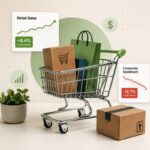
Shipping expectations got out of control fast. A few years ago, two-day delivery felt impressive. Now customers expect fast shipping, accurate tracking, low costs, and constant updates without really thinking about it. And according to the conversations happening at NPF 2026, those rising expectations are becoming one of the biggest eCommerce shipping trends carriers are trying to keep up with.
One of the biggest takeaways from this year’s event was how heavily the shipping industry is now reacting to eCommerce demand. Delivery speed, operational modernization, logistics efficiency, infrastructure upgrades. None of it feels optional anymore.
What used to be considered premium service is quickly becoming the baseline.
Shipping Infrastructure Is Playing Catch-Up
The difficult part for carriers is that customer expectations changed much faster than shipping infrastructure was built to handle. Warehouses, transportation networks, routing systems, staffing, and fulfillment operations take years to modernize. eCommerce demand accelerated much faster than most traditional shipping systems expected.
That was one of the clearest themes coming out of NPF 2026. eCommerce has accelerated faster than many shipping networks were originally built to support, and carriers are now under pressure to modernize alongside it.
And that pressure shows up everywhere:
- rising delivery expectations
- increased package volume
- demand for better tracking and visibility
- pressure to improve speed without dramatically increasing costs
For merchants, this creates a shipping environment that is becoming more competitive, but also more complicated. Now the pressure runs the other direction. Customer expectations are forcing carriers to modernize faster, compete harder, and rethink how shipping infrastructure operates in the first place.
Merchants Feel These Changes First
Most customers never think about the shipping infrastructure behind their orders. Merchants do.
They are usually the first to feel when something shifts:
- delivery timelines slow down
- carrier pricing changes
- fulfillment bottlenecks appear during spikes
And as eCommerce continues growing across marketplaces, DTC stores, and omnichannel operations, those pressures become harder to ignore. Shipping is no longer just a backend function after checkout. It directly impacts customer expectations, repeat purchases, operational costs, and even conversion rates. That is why flexibility matters so much right now.
The merchants navigating this environment best are usually not the ones locked into a single shipping strategy. They are the ones building systems that let them adapt when conditions change. Maybe one carrier makes sense for certain regions, maybe another performs better during peak periods. Maybe fulfillment priorities shift based on inventory availability.
The point is not having one perfect setup anymore. It is being able to adjust without everything breaking every time shipping conditions shift.
Shipping Is Getting More Competitive and More Complicated
NPF 2026 also comes at an interesting moment for the shipping industry overall. Amazon continues expanding its logistics network. Traditional carriers are adjusting pricing strategies. USPS is modernizing parts of its infrastructure while trying to keep up with changing eCommerce demand. For merchants, that creates more opportunity, but it also creates more decisions.
Shipping strategy now involves constantly balancing:
- speed versus cost
- carrier reliability
- fulfillment efficiency
- customer expectations
That is a very different environment from the simpler “pick one carrier and stick with it” approach many merchants relied on for years.
This Is Where Operations Quietly Become the Advantage
Customers rarely notice when fulfillment works perfectly.
They notice when something breaks:
- orders arrive late
- tracking becomes unreliable
- inventory is unavailable
That is why operational visibility matters so much as shipping infrastructure continues evolving around eCommerce demand.
This is exactly where platforms like Ordoro become useful. By centralizing inventory, orders, and shipping workflows, merchants can stay flexible as carriers, delivery expectations, and fulfillment strategies continue to change.
Because right now, the merchants with the biggest advantage are not necessarily the ones with the cheapest shipping rates. They are the ones flexible enough to adapt as the entire shipping landscape keeps evolving.
FAQs About NPF 2026 and eCommerce Shipping
What is NPF 2026?
NPF, or the National Postal Forum, is an industry event focused on shipping, mailing, logistics, and postal operations.
Why does NPF matter for eCommerce merchants?
The event highlights how carriers and shipping infrastructure are adapting to changing eCommerce expectations around delivery speed, tracking, and fulfillment.
What was the biggest eCommerce takeaway from NPF 2026?
One of the clearest themes was that eCommerce demand is now shaping how shipping networks modernize and operate.
Why are carriers changing their shipping strategies?
Customer expectations for faster delivery and better fulfillment experiences continue to rise, putting pressure on carriers to adapt.
How can eCommerce merchants adapt to changing shipping conditions?
Merchants benefit from flexible operations, multi-carrier strategies, and centralized systems that improve visibility across inventory and fulfillment.
How does Ordoro help merchants manage shipping complexity?
Ordoro helps merchants centralize shipping, inventory, and orders so they can adapt more easily as carriers and fulfillment conditions evolve.
Shipping Infrastructure Is Becoming an eCommerce Story
The interesting shift coming out of NPF 2026 is not simply that carriers are modernizing. It is why they are modernizing. Ecommerce expectations are now influencing how shipping networks operate, invest, and compete, and those changes are quickly becoming some of the most important ecommerce shipping trends merchants need to pay attention to. That creates a very different environment for businesses than the one that existed even a few years ago.
And the merchants that handle this shift best will not be the ones trying to predict every change perfectly. They will be the ones building systems flexible enough to adapt as customer expectations, carrier capabilities, and fulfillment strategies continue evolving.
If your current shipping workflows already feel stretched as delivery expectations rise, this is a good time to take a closer look at how your operations are structured.
- Shipping Rate Shopping for eCommerce: How to Compare Carrier Costs and Delivery Times
- Commerce Corner: Holiday Mode: Activated
- Etsy Is Telling Sellers It’s Time to Get Holiday-Ready
- Walmart Is Giving Sellers More Clues About Why Products Come Back
- FedEx Wants a QR Code Before Handing Over Some Packages